logo
QUALITYSERVICE
Provide Professional Capability
We have a variety of product solutions to meet the different needs of customers, our efficiency is high, service quality, customer praise.
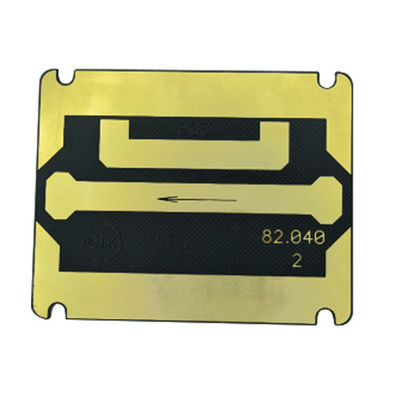
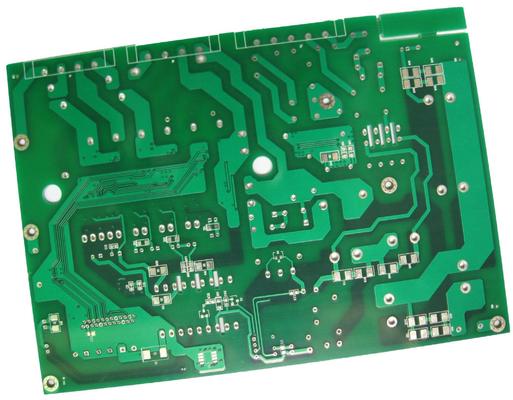
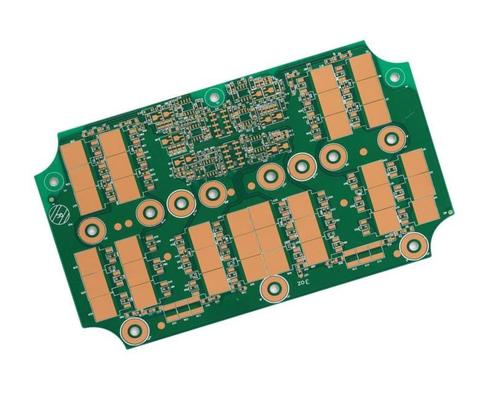
    .gtr-container-p7q2r9s1 { font-family: Verdana, Helvetica, "Times New Roman", Arial, sans-serif; color: #333; line-height: 1.6; padding: 15px; max-width: 100%; box-sizing: border-box; } .gtr-container-p7q2r9s1 p { font-size: 14px; margin-bottom: 1em; text-align: left !important; } .gtr-container-p7q2r9s1 strong { font-weight: bold; } .gtr-container-p7q2r9s1 .gtr-title { font-size: 18px; font-weight: bold; color: #2c3e50; margin-top: 2em; margin-bottom: 1em; text-align: left !important; } .gtr-container-p7q2r9s1 .gtr-subtitle { font-size: 16px; font-weight: bold; color: #34495e; margin-top: 1.5em; margin-bottom: 0.8em; text-align: left !important; } .gtr-container-p7q2r9s1 ul, .gtr-container-p7q2r9s1 ol { margin-left: 20px; padding-left: 0; margin-bottom: 1em; } .gtr-container-p7q2r9s1 li { list-style: none !important; position: relative; margin-bottom: 0.5em; padding-left: 20px; font-size: 14px; text-align: left !important; } .gtr-container-p7q2r9s1 ul li::before { content: "•" !important; position: absolute !important; left: 0 !important; color: #007bff; font-size: 1.2em; line-height: 1; } .gtr-container-p7q2r9s1 ol { counter-reset: custom-list-counter; } .gtr-container-p7q2r9s1 ol li { counter-increment: custom-list-counter; list-style: none !important; } .gtr-container-p7q2r9s1 ol li::before { content: counter(custom-list-counter) "." !important; position: absolute !important; left: 0 !important; color: #007bff; font-weight: bold; width: 18px; text-align: right; } .gtr-container-p7q2r9s1 .gtr-table-wrapper { overflow-x: auto; margin-bottom: 1em; } .gtr-container-p7q2r9s1 table { width: 100%; border-collapse: collapse !important; border-spacing: 0 !important; margin-bottom: 1em; font-size: 14px; } .gtr-container-p7q2r9s1 th, .gtr-container-p7q2r9s1 td { border: 1px solid #ccc !important; padding: 8px 12px !important; text-align: left !important; vertical-align: top !important; word-break: normal; overflow-wrap: normal; } .gtr-container-p7q2r9s1 th { font-weight: bold !important; background-color: #f0f0f0; color: #2c3e50; } .gtr-container-p7q2r9s1 tbody tr:nth-child(even) { background-color: #f8f8f8 !important; } .gtr-container-p7q2r9s1 img { margin-bottom: 1em; } @media (min-width: 768px) { .gtr-container-p7q2r9s1 { padding: 25px; } } Heavy Copper PCBs are specialized circuit boards designed for high levels of power and heat during working. While a standard PCB typically uses 1 OZ-2OZ copper, a Heavy Copper PCB uses 3 oz to 20 oz (or more). The thicker copper layers allow the board to conduct higher currents and high voltage. The boards will be well and no damage for long time working with high thermal. Their type is such as winding board, BMP products, AC-DC boards and so on.  Normally it is used for high power (electric current) electronics like power supply or some power circuit or high requirement on Thermal in industry. It can be designed in inner layer or outer layer. In PCB production process, it is more difficult than traditional circuits with 2OZ copper foil. 1. Structure The structure is similar to a standard PCB but involves a specialized plating and etching process. Copper layer: The "veins" of the board are much taller and wider. The thickness of the copper varies from 3 Oz to 20 Oz in some special cases. The maximum inner layer copper thickness is 10 OZ whereas the outer layer thickness can be up to 20 OZ. Base material: The heavy copper PCB construction is purely dependent on base materials like FR4 or Halogen free or Rogers or Aluminium or in some cases, hybrid base materials are used. Normally FR4 will be Middle Tg and High Tg material. Number of Layers: The number of heavy copper PCBs layer is from 2 to 20 layers depending on the manufacturing. Board thickness: The thickness of the board is from 1.6mm to 5.0mm. Heavy Plated-Through Holes (PTH): The holes connecting different layers are reinforced with thick copper to carry high current without overheating. Normally it is required 25um min hole copper thickness, even to 38um or 50um hole plated copper thickness to ensure performance. Core: Often uses FR-4 with Middle TG or high TG material or metal-core materials to support the added weight and heat.  Dielectric layer: Minimum 2 pieces prepreg for heavy copper PCB, if have required high current and voltage, it needs 3 pieces prepreg in core. Surface Finish: PCB surface finish will be OSP, HASL, HASL Lead-Free (HASL LF/ ROHS), Tin, Immersion gold (Au), Immersion Silver (Ag), ENIG, ENPIG as per standards, and few boards are also used Golden finger + HASL, ENIG + OSP, OSP + Golden finger for better conductivity on the surface as huge current has to make contact with the external component’s terminal. 2. Key Advantages Heavy copper offers three advantages for electronics product:  Feature Benefit High Current Capacity Can carry hundreds of amps without the traces melting. Thermal Management The thick copper acts as a built-in heat sink, moving heat away from sensitive components. Mechanical Strength Provides stronger structural support, making the circuit board more robust and durable, and enabling it to better withstand physical impacts, vibrations or bending stresses. It is suitable for fields with high mechanical reliability requirements such as military and aerospace. Simplified Design Allows power and control circuits to exist on the same board, reducing the need for bulky wires or bus bars. Design flexibility and high-density integration The multi-layer stacked structure expands the wiring space, supports the implementation of complex circuits and high-density interconnection (HDI), and at the same time, the internal ground layer can serve as a shielding layer, reducing electromagnetic interference (EMI), and meeting the requirements of miniaturization and high-speed signal transmission. Reliability and Process Compatibility: Exhibits excellent chemical corrosion resistance and long-term stability in harsh environments; however, it is important to note that during the design process, a balance must be struck between the copper thickness and process feasibility. For instance, choosing a copper thickness of 3-6 oz, optimizing the trace width and via layout, can help avoid issues such as uneven etching or layer delamination. 3. Production Technology requirement Manufacturing a Heavy Copper PCB is significantly more challenging than standard boards. Because the copper is "thick," traditional chemical processes can easily ruin the traces. Here are the key production technology requirements and techniques: 3.1 Lamination & Resin Filling Because the copper traces are so thicker, the copper tooth between them are deeper. High Resin Flow: Specialized "Prepreg" (bonding layers) with high resin content is required to fill these gaps completely. Void Prevention: If the resin doesn't fill every gap, air bubbles (voids) formed. Under high power, these bubbles can expand and cause the board to explode or delaminate. Higher Pressure/Temperature: The lamination press must operate at higher parameters settings to ensure the thick copper "sinks" into the substrate evenly. 3.2 Specialized Drilling Drilling through a standard PCB is like drilling through plastic; drilling a Heavy Copper board is like drilling through a metal plate. Drill Bit Life: Copper is soft and "gummy." It generates immense heat, which dulls drill bits quickly. Manufacturers must replace bits much more frequently (e.g., every 10-20 holes vs. hundreds). Peck Drilling: Large holes often require "pecking"—drilling a little, retracting to clear the copper "chips," and drilling again to prevent the bit from snapping. 3.3 Advanced Etching & Plating Standard etching is like spray-painting a stencil; for thick copper, it’s more like carving a deep canyon. Differential Etching & Step Plating: Instead of one long chemical bath, manufacturers use multiple cycles of plating and etching. This prevents undercutting (where the chemicals eat away the bottom of a trace, making it unstable). Trace Profile Control: To achieve straight sidewalls, high-speed etching systems are used to ensure the final trace is rectangular rather than a "trapezoid" or "mushroom" shape. 3.4 Solder Mask Application A standard single coat of solder mask is too thin to cover the "cliffs" of a heavy copper trace. Multiple Coatings: Usually requires twice of solder mask to ensure thicker soldermask cover board surface to ensure performance.  Electrostatic Spraying: This method is often preferred over silk-screening because it ensures the ink wraps around the sharp vertical edges of the thick copper traces. 3.5 Design for Manufacturing (DFM) Rules To ensure the factory can actually build the board, designers must follow stricter rules: Requirement Standard PCB (1 oz) Heavy Copper PCB (5 oz+) Min. Trace Width 3 - 5 mils 15 - 20+ mils Min. Spacing 3 - 5 mils 20 - 25+ mils Via Plating 0.8 - 1.0 mil 2.0 - 3.0+ mils Hole-to-Copper Small Large (to allow for etch compensation) Base Materials Normal TG, middle TG Middle TG, high TG 4. Application Fields You will find Heavy Copper PCBs in environments where "failure is not an option" and power demands are high: Power Electronics: Inverters, converters, and power supplies. Planar Transformers, Amplification Systems Automotive: Electric vehicle (EV) charging systems and power distribution modules. Renewable Energy: Solar panel controllers and wind turbine power systems. Industrial: Welding equipment, heavy machinery controllers, and trans Medical Electronics: Special medical equipment like laser operation or robotic machines, imaging devices like scan machines, X-ray, etc Military & Aerospace: wireless, satellite communication devices, and radar appliance Industrial Equipment: Industrial equipment uses heavy copper PCB which can be used in harsh environments as it is corrosion resistant to many chemicals.
    .gtr-container-pcbxyz123 { font-family: Verdana, Helvetica, "Times New Roman", Arial, sans-serif; color: #333; line-height: 1.6; padding: 15px; box-sizing: border-box; overflow-x: hidden; } .gtr-container-pcbxyz123 p { font-size: 14px; margin-bottom: 1em; text-align: left !important; } .gtr-container-pcbxyz123 .gtr-heading { font-size: 18px; font-weight: bold; margin-top: 1.5em; margin-bottom: 1em; color: #0056b3; padding-bottom: 5px; border-bottom: 1px solid #eee; } .gtr-container-pcbxyz123 ul { list-style: none !important; padding-left: 0; margin-bottom: 1em; } .gtr-container-pcbxyz123 li { font-size: 14px; position: relative; padding-left: 1.5em; margin-bottom: 0.5em; text-align: left; } .gtr-container-pcbxyz123 li::before { content: "•" !important; color: #0056b3; font-size: 1.2em; position: absolute !important; left: 0 !important; top: 0; } .gtr-container-pcbxyz123 strong { font-weight: bold; } .gtr-container-pcbxyz123 .gtr-image-wrapper { margin: 1.5em 0; text-align: center; overflow-x: auto; -webkit-overflow-scrolling: touch; } .gtr-container-pcbxyz123 img { display: inline-block; vertical-align: middle; height: auto; } @media (min-width: 768px) { .gtr-container-pcbxyz123 { padding: 25px 50px; } .gtr-container-pcbxyz123 .gtr-heading { margin-top: 2em; margin-bottom: 1.2em; } } PCB (Printed Circuit Board) processing technology involves a series of precise steps to create the circuit boards that are essential for electronic devices. Below is a detailed explanation of the PCB processing technology flowchart in English, based on the provided search results. 1. PCB Design Process: PPE The first step in PCB processing is the design process, which includes several key stages: Circuit Design: Using EDA (Electronic Design Automation) software such as Altium Designer or Cadence, engineers design the circuit schematic and layout. This stage involves creating the physical layout of the PCB, including the placement of components and the routing of electrical connections. Normaly customer provide the original files to PCB manufacturing directly, the deisgn team of the manufacturing will prepare the manufacturing instruction to the plant process. Output Gerber Files: After the design is completed, Gerber files are generated. These files are used in the manufacturing process to transfer the circuit design onto the PCB material. Each Gerber file corresponds to a physical layer of the PCB, such as the top signal layer, bottom ground plane, and solder mask layers. Plating process: It includes PTH plating,panel plating and pattern plating.Plating copper in the hole wall and the pattern surface to ensure connection performance. Etching process: Acid/ Alkaline etching (removal excess cooper foil and stripping residual photoesist film. 2. PCB Manufacturing Process The manufacturing process of PCBs is complex and involves multiple steps to ensure precision and quality. Here is a breakdown of the main steps: Material Preparation: The base material, typically copper-clad laminate, is prepared. This involves cutting the large sheets of material into smaller panels according to the design specifications. Inner Layer Processing: The inner layers of the PCB are processed by transferring the circuit pattern onto the copper-clad laminate using a photoresist process. This involves exposing the panel to UV light through a photomask, developing the image, and then etching away the unwanted copper to leave the circuit pattern. Lamination: For multi-layer PCBs, the inner layers are stacked together with prepreg (a type of insulating material) and laminated under high pressure and temperature to form a single unit. Drilling: Holes are drilled through the laminated panel to create vias (vertical interconnect accesses) that connect different layers of the PCB. These holes are then plated with copper to ensure electrical connectivity. Outer Layer Processing: Similar to the inner layer processing, the outer layers are processed to create the final circuit pattern. This involves another photoresist process, followed by etching to remove the unwanted copper. 3. Surface Treatment and Finishing After the basic circuit structure is formed, the PCB undergoes surface treatment and finishing processes: Solder Mask Application: A solder mask, or solder resist, is applied to the PCB to protect the circuit from oxidation and to prevent solder bridges during assembly. The solder mask is applied using a screen printing process and then cured. Silkscreen Printing: Silkscreen printing is used to apply component designators, part numbers, and other markings onto the PCB. This helps in the assembly process and for identification purposes. Surface Finish: The exposed copper areas of the PCB are treated with a surface finish to improve solderability and protect the copper from corrosion. Common surface finishes include gold plating, silver plating, and tin-lead plating. 4. Quality Inspection and Testing The final step in the PCB processing technology is quality inspection and testing to ensure that the PCB meets the required standards: Visual Inspection: The PCB is visually inspected for any defects such as scratches, bubbles, or misalignments. Electrical Testing: Electrical tests are performed to verify the functionality of the PCB. This includes testing for continuity, insulation resistance, and other electrical parameters. Reliability Testing: Reliability testing is conducted to assess the PCB’s performance under various environmental conditions, such as temperature cycling and humidity testing. Conclusion The PCB processing technology flowchart encompasses a wide range of steps, from initial design to final testing, each requiring precision and expertise. By following this flowchart, manufacturers can produce high-quality PCBs that meet the demands of modern electronic devices. The process is a blend of mechanical, chemical, and electronic engineering, making it a cornerstone of the electronics industry. If you have PCB demand and needs some supports, please contact Golden Triangle Group's team at your any time.
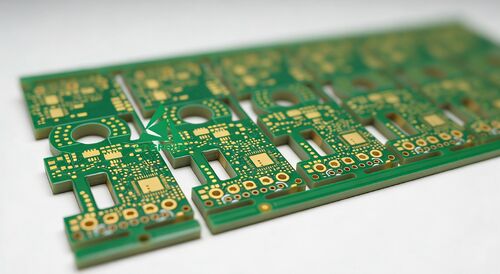
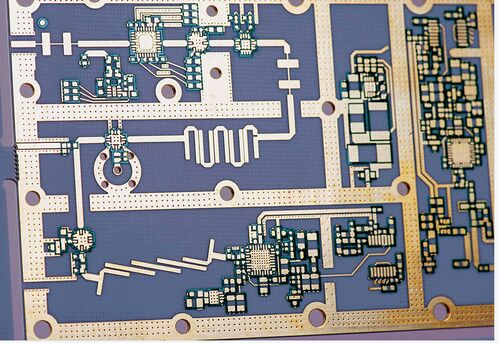
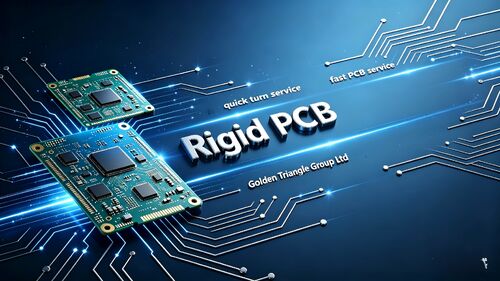
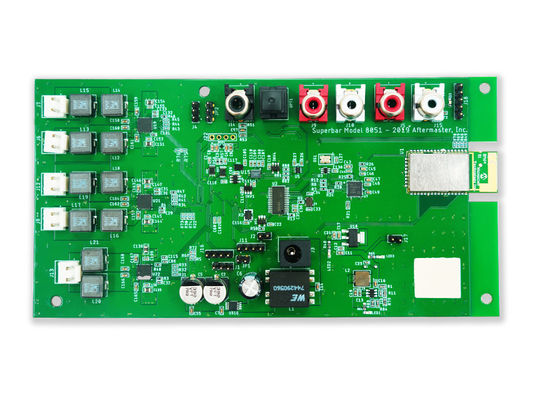
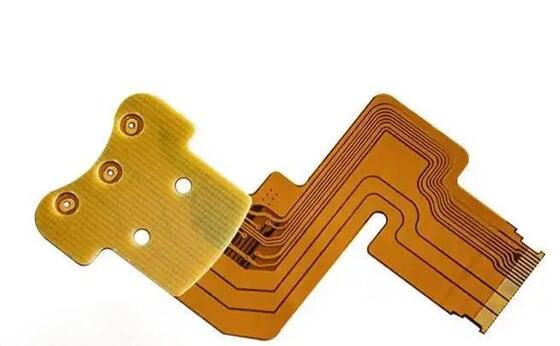
    Golden Triangle Group Ltd is professional PCB manufacturing on quick-turn PCB prototyping, PCB mass production and PCB Assembly, it can be supported high mix and low-volume production located in Shenzhen China. You will find information here relating to the specific materials and the PCB technologies or product types that we currently produce and suport,  as well as some of the tolerances which we can achieve. on rigid printed circuit boards, which are built with premium materials and advanced manufacturing processes, ensuring excellent mechanical stability, thermal resistance, and electrical conductivity—ideal for devices requiring structural rigidity and long-term reliability. Standard PCB capability: Description  Capability  Layer Count  1-30L (HDI:1+n+1; 2+n+2,Anylayer HDI) Board Thickness  0.2mm- - -5.0mm Copper Weight      Inner: 6oz,  Outer: 4oz Material   FR4 (Kingboard,Shengyi,ITEQ,PTFE,ROGERS,ARLON,ISOLA,TACONIC, Nelco)  Metal based board,(Aluminum, Copper base) CEM-1,CEM-2 Aluminum+FR4,PTFE+FR4, Rogers+ FR4 Surface Treatment   HASL,  HASL Lead free,  OSP,ENIG(1u”-8u”),Hard Gol dplated up to50u”,Immersion silver, Immersion Tin, Carbon Ink LF HASL(+gold finger), Immersion Gold +gold fingers( hard gold),OSP +gold finger(hard gold), Immersion Tin +gold finger( hard gold) (Not two different surface finish) Finished Product Size   Min: 5*5mm,  Max: 1500*500mm Min Space of Drilling Holes to Conductor  0.15mm(• Consumer Electronics (Smartphones, Laptops, TVs, Wearables)• Industrial Automation (Controllers, Sensors, Power Supplies)• Automotive Electronics (Infotainment Systems, ADAS Modules, Engine Controls)• Medical Devices (Diagnostic Equipment, Portable Healthcare Tools)• Telecommunications (Routers, Switches, Base Stations)• Aerospace & Defense (Avionics, Military Communication Devices)
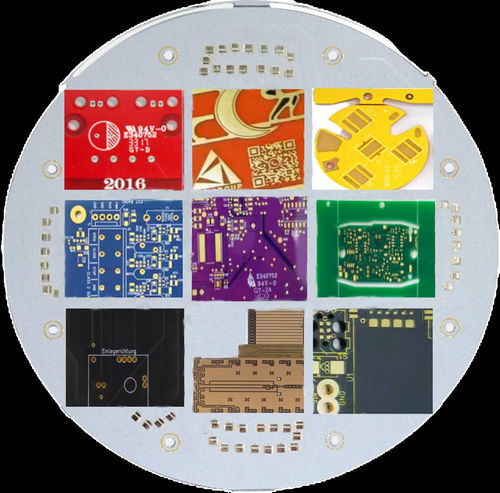
    Golden Triangle Group Ltd. can provide below different solder mask colors for PCB to our customers. Green, blue, white, red, black, Yellow Orange, Purple, brown, gray, Transparent and so on.    Customer can use their prefered soldermask color on their products.
    GT keeps on provide Printed circuit boards to one of our customers Located in Western Coast with hard gold plating 17’’ and depth routing control on the boards’ center over 2 years; Occasionally, on one official video technological meeting with customer, GT showed customer with another different type of sample with Pin inserting on the PCB boards, which brought GT a new chance and serials orders---new designed with Pins assembled on the bottom side!
ABOUT COMPANY

GT SMART (Changsha) Technology Co., Limited

GT Group's mission is to be a global one-stop interconnect solutions provider," from idea to product" to help customer win more market.
view more
request a quote
company.img.alt
company.img.alt
company.img.alt
Core Purpose
Our Advantage
picurl
HIGH QUALITY
Trust Seal, Credit Check, RoSH and Supplier Capability Assessment. company has strictly quality control system and professional test lab.
picurl
DEVELOPMENT
Internal professional design team and advanced machinery workshop. We can cooperate to develop the products you need.
picurl
MANUFACTURING
Advanced automatic machines, strictly process control system. We can manufacture all the Electrical terminals beyond your demand.
picurl
100% SERVICE
Bulk and customized small packaging, FOB, CIF, DDU and DDP. Let us help you find the best solution for all your concerns.
Contact Us
Inquiry Me Now, Get The Price List.